
From needs on the ground
to practical solutions.
Our work is organised around the areas where communities need stronger access to learning, skills, livelihoods, wellbeing and opportunity. We design and implement interventions that respond to specific community needs and programme objectives.
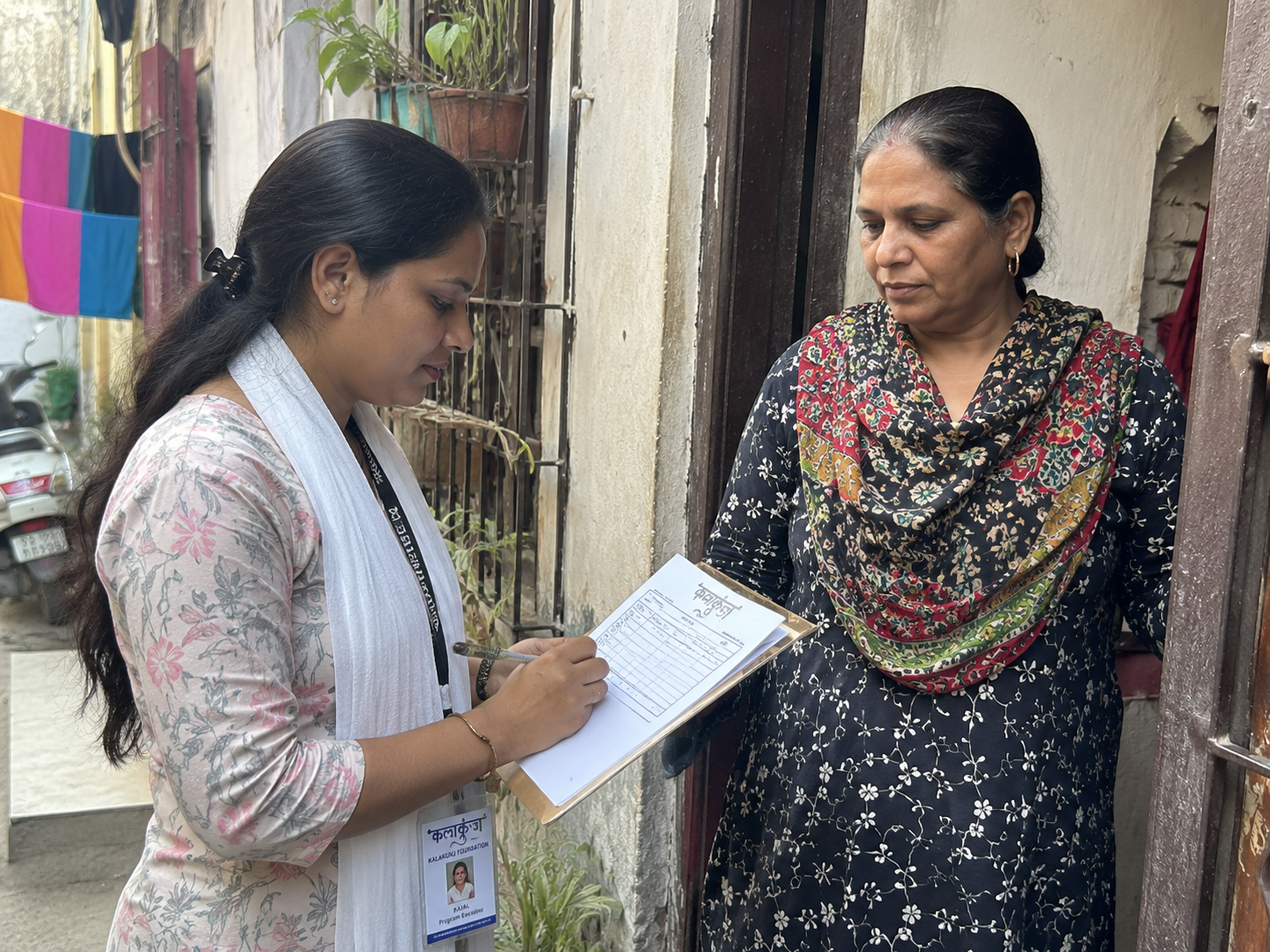
Different needs. Connected opportunities.
Communities rarely experience challenges in isolation. Learning, employability, income, health, confidence and social participation are often interconnected.
Our interventions therefore address specific development needs while recognising the wider circumstances of the people and communities we work with.
The sections below explain the nature of our work in greater detail. Individual projects and partnerships are documented separately in our project portfolio.
From participation to opportunity
Depending on the programme, our interventions may include:
Mobilisation • Training • Mentoring • Awareness • Enterprise Support • LinkagesProgramme components are customised according to the objectives, community context and requirements of each intervention.
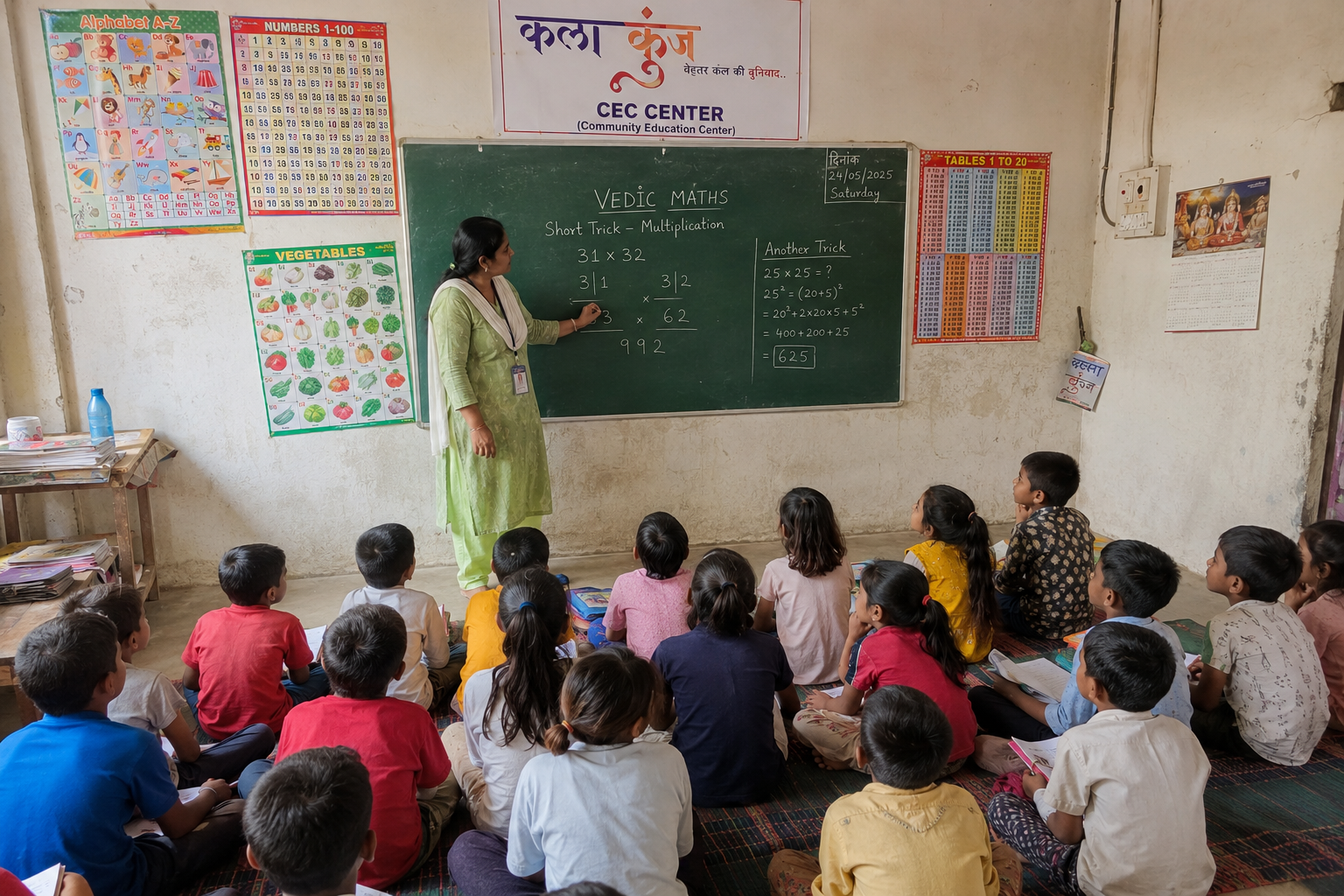
Creating spaces where learning can begin.
Our education interventions focus on children, adolescents and communities that may face gaps in access, learning support or educational opportunities.
Depending on programme requirements, activities may include foundational learning, literacy and numeracy support, digital literacy, life skills, awareness sessions and learning enrichment.
Community-based education models can also help connect families and local stakeholders with learning opportunities and encourage continued participation.
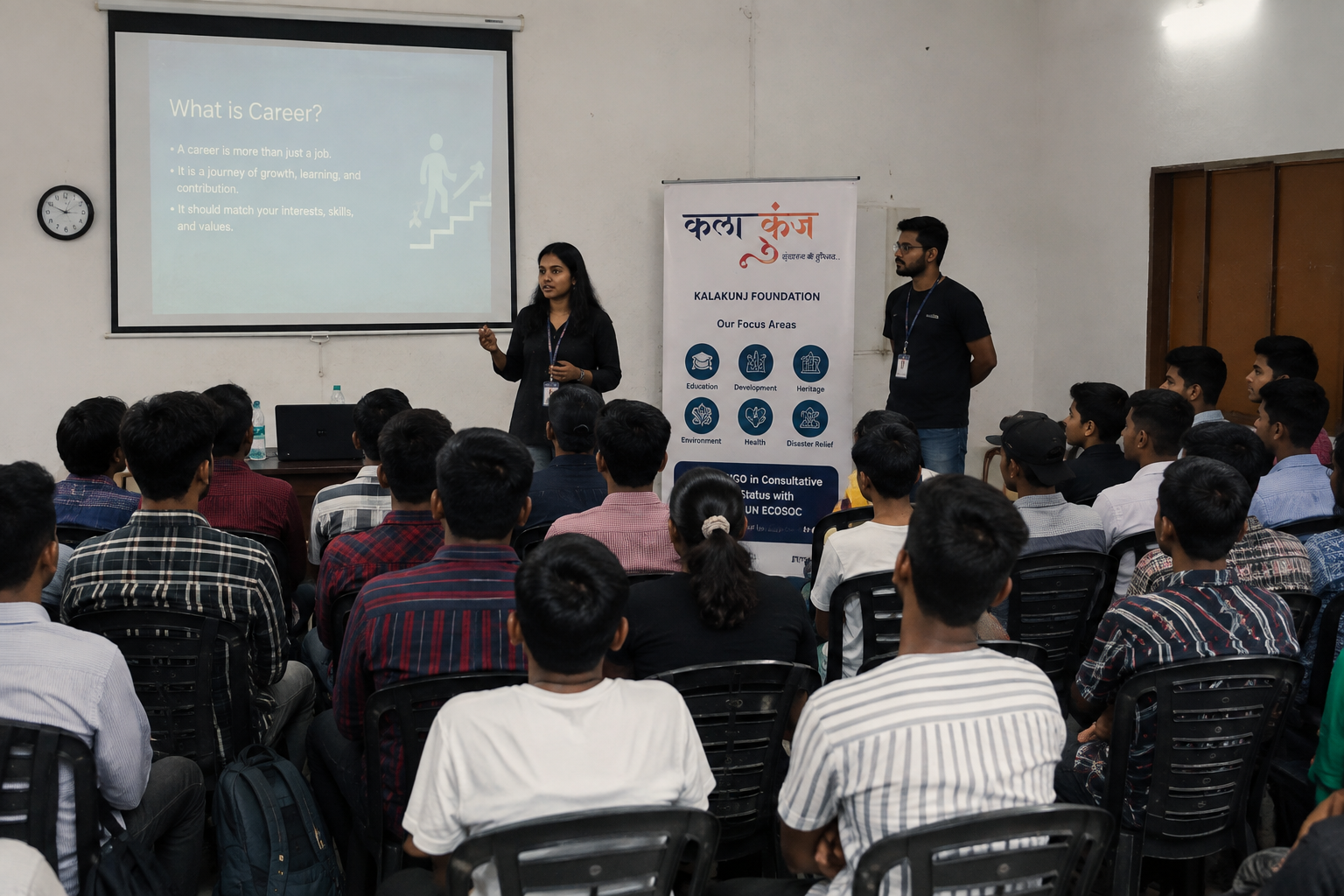
Helping young people move closer to opportunity.
Our youth-focused interventions support young people with the knowledge, skills and exposure required to make informed decisions about education, employment and entrepreneurship.
Activities can include career orientation, employability training, digital skills, communication, workplace readiness, industry exposure and mentoring.
Where appropriate, programmes also connect participants with employers, training ecosystems and other opportunities beyond the classroom.
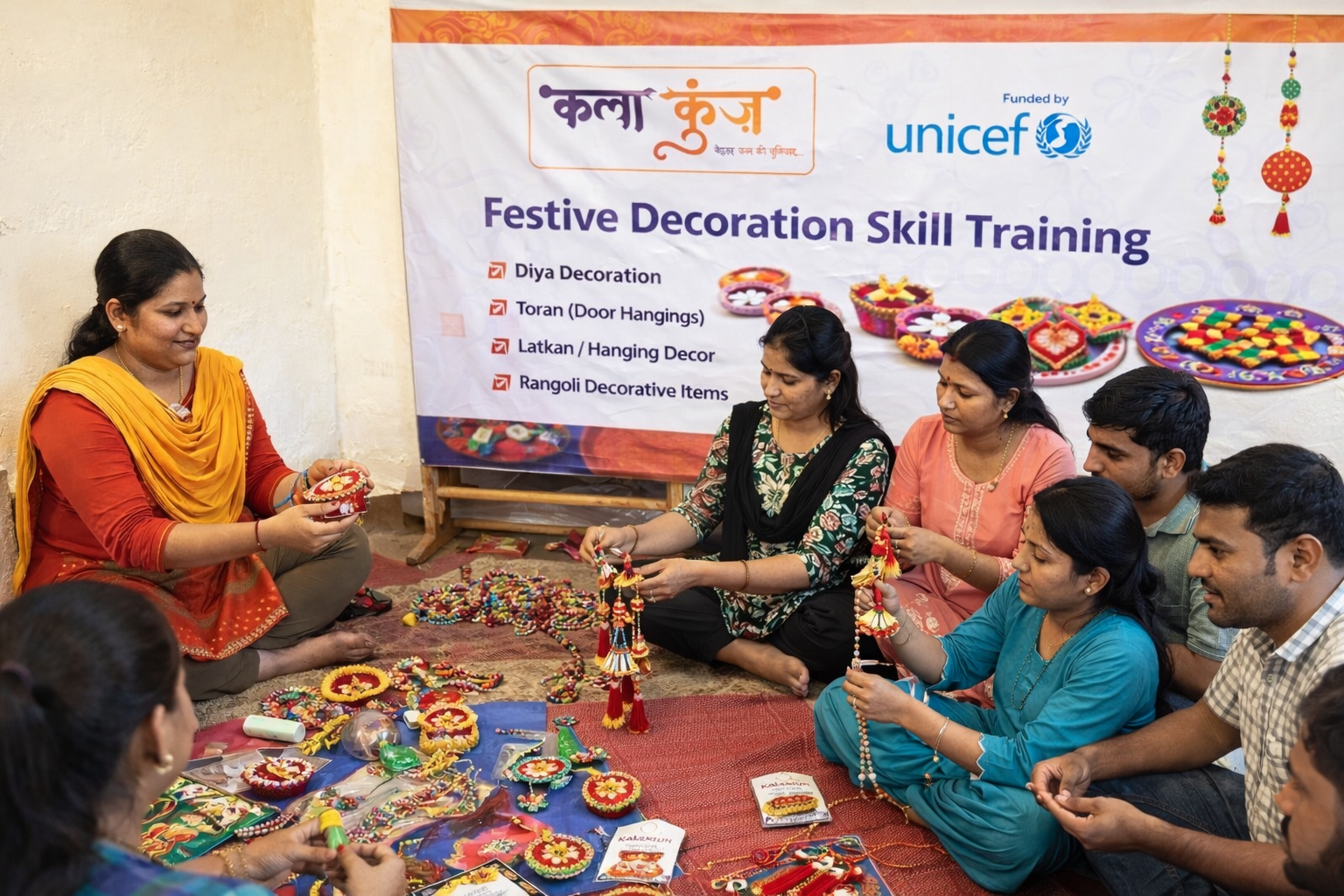
Strengthening women's agency and economic participation.
Our women-focused interventions seek to strengthen women's access to knowledge, skills, confidence, livelihood opportunities and community participation.
Programme activities may include awareness, skill development, SHG strengthening, enterprise orientation, financial or digital awareness, menstrual hygiene sessions and entrepreneurship support.
The objective is not only to provide training, but to create pathways through which women can apply their capabilities in meaningful ways.
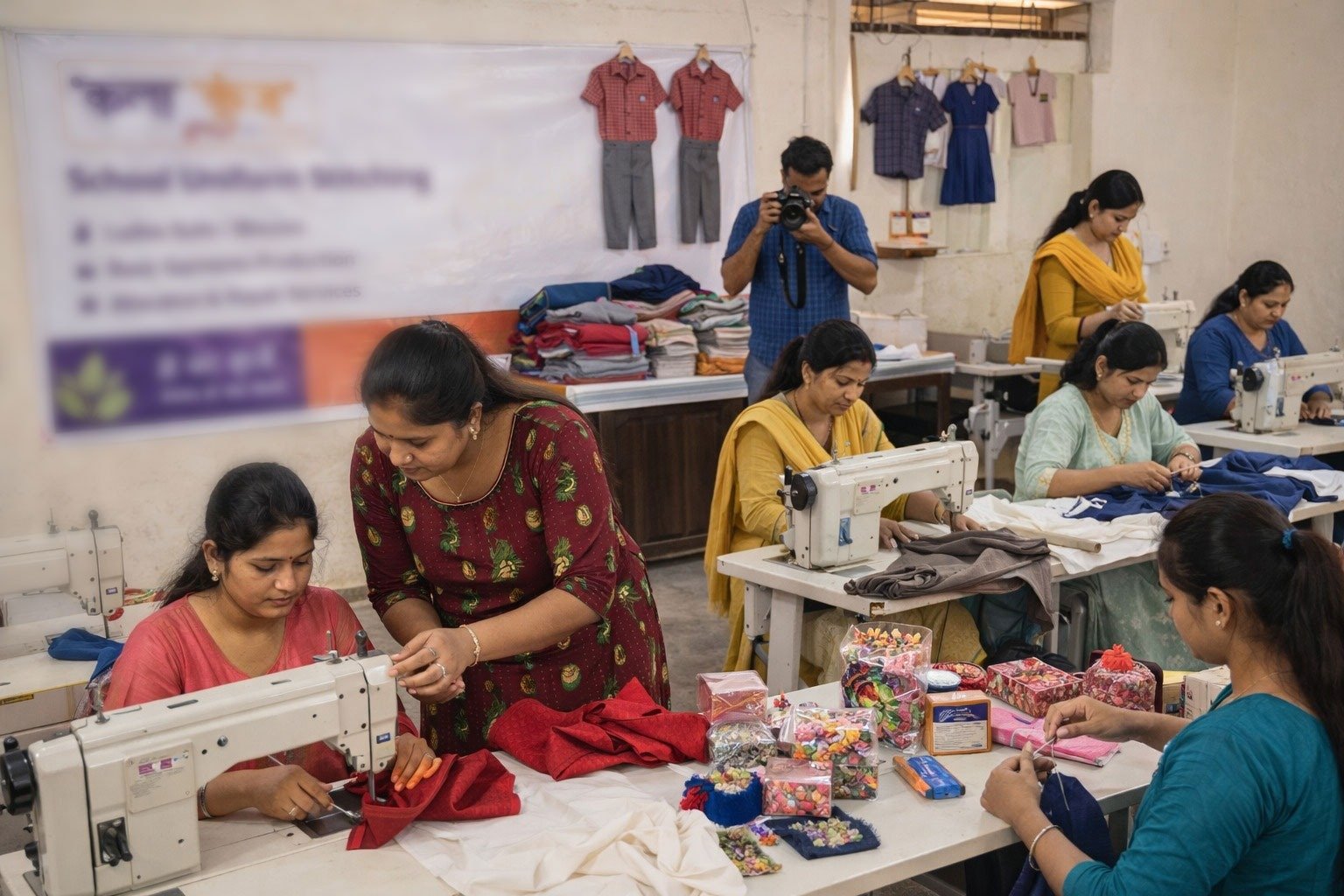
Turning skills into livelihood possibilities.
Livelihood interventions focus on helping individuals and community groups strengthen their ability to develop, produce and market products or services.
Depending on the programme, support can include product development, production practices, quality improvement, packaging, branding, digital marketing, market orientation and enterprise development.
We also work with community-based groups and women-led enterprises to explore opportunities for stronger market access and sustainable income.
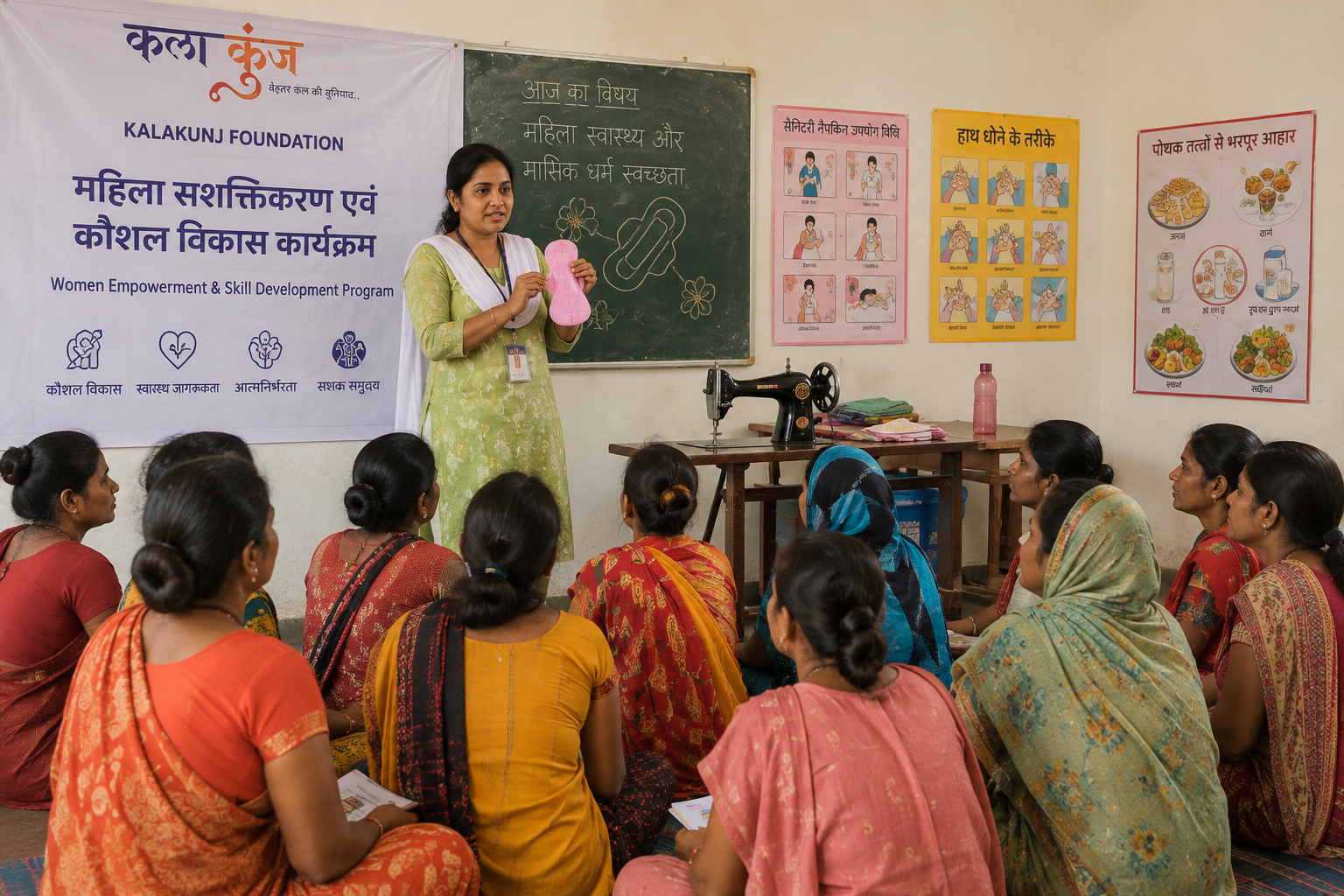
Taking health awareness closer to communities.
Our health and wellbeing interventions focus on improving awareness, access to information and community engagement around priority health concerns.
Depending on programme design, activities may include health camps, awareness sessions, hygiene and nutrition education, child wellbeing initiatives and community-level outreach.
We work to make health-related information easier to understand and more accessible to communities, particularly vulnerable groups.
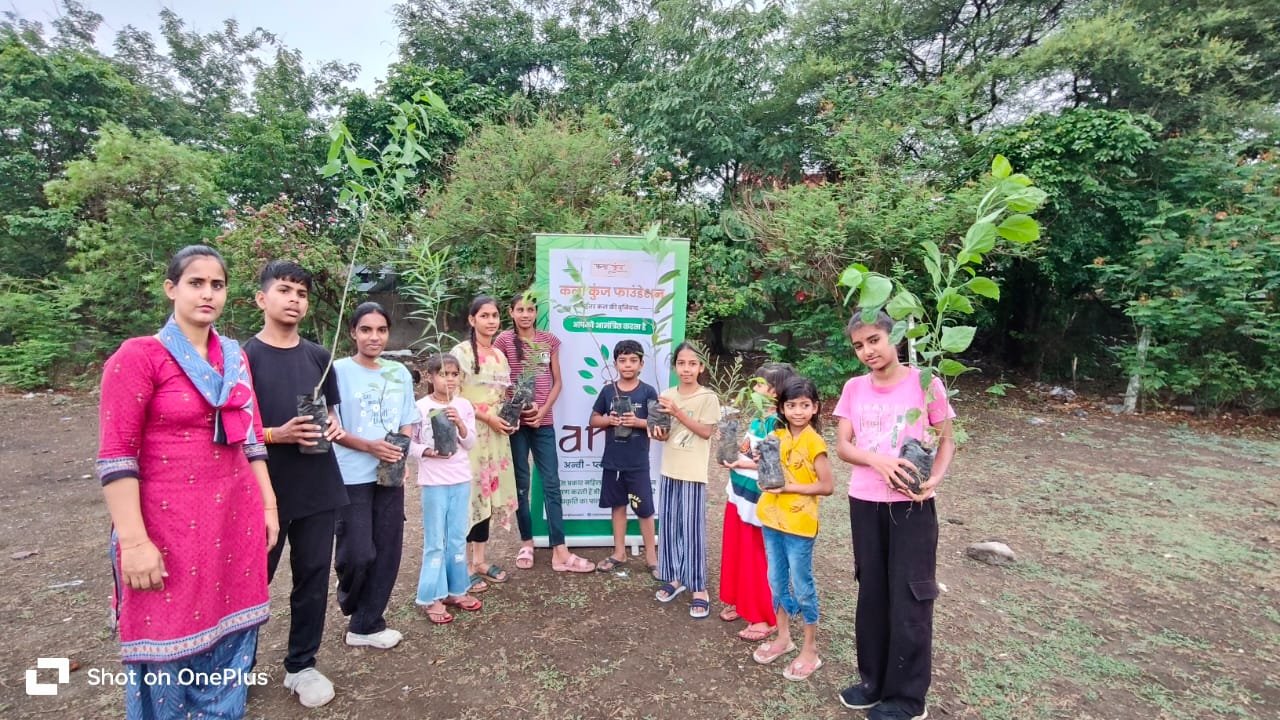
Encouraging communities to act for the environment.
Our environmental initiatives connect community participation with practical actions that promote environmental awareness and responsibility.
Activities may include tree plantation, environmental awareness, clean-up drives, seed-ball activities and community engagement around greener practices.
Where programmes involve children, women or community institutions, environmental action is also used as an opportunity for learning, participation and local ownership.
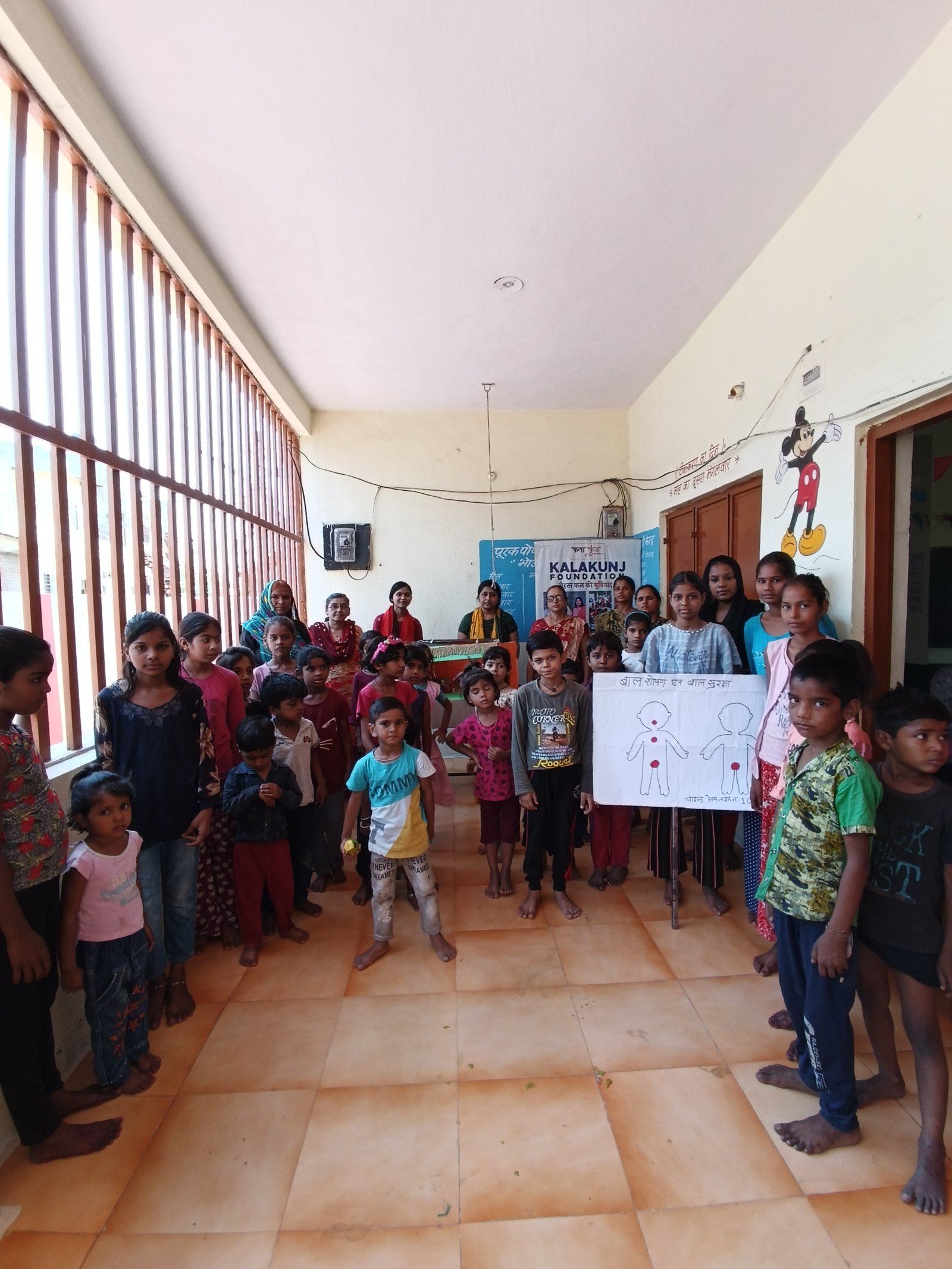
Strengthening the spaces communities depend on.
Community development work includes interventions that strengthen local institutions, awareness, participation and support systems for children and families.
This can include support to community institutions, child-focused activities, awareness programmes, local engagement and initiatives designed to improve the community environment around children.
The emphasis is on participation and practical support that can strengthen local ownership and improve community-level outcomes.
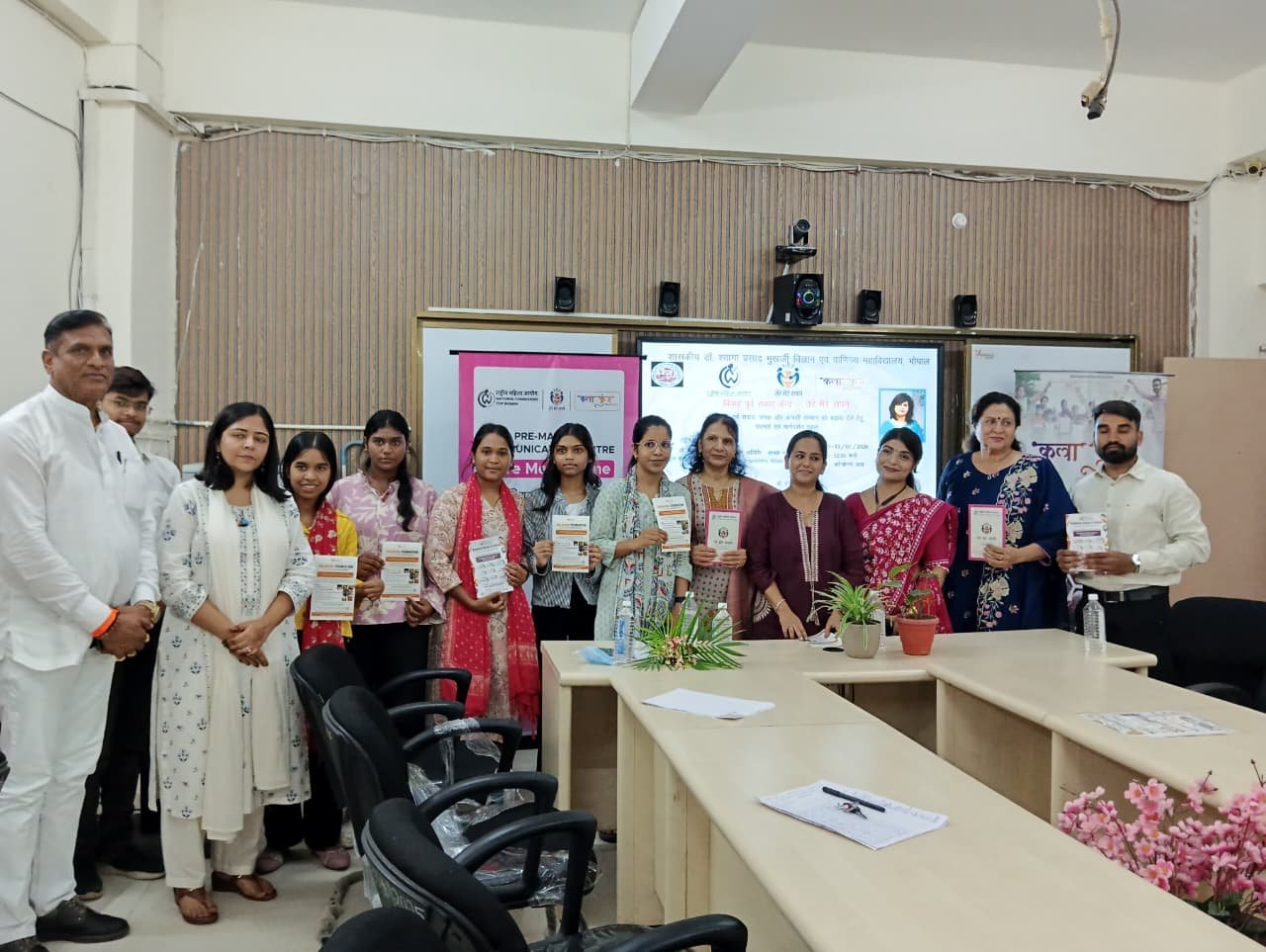
Supporting healthier, more informed families.
Family wellbeing initiatives address areas where information, guidance, counselling and supportive community engagement can contribute to healthier family relationships and decision-making.
Depending on programme scope, activities may include counselling, life-skills sessions, family awareness, relationship guidance and community conversations around wellbeing.
These interventions are designed to create safe spaces for dialogue and help individuals and families access appropriate information and support.
Capabilities that support programme delivery.
Across different areas of work, programmes may require a combination of field mobilisation, training, coordination, monitoring and stakeholder engagement.
Community Mobilisation
Reaching and engaging intended participants, local stakeholders and community institutions around programme objectives.
Training & Capacity Building
Structured training and orientation designed around participant needs and programme outcomes.
Trainer and field-team coordination to support consistent programme delivery.
Mentoring, follow-up and practical support wherever required by the programme.
Documentation and reporting aligned with partner requirements.
See the work in action.
Our work areas describe what we do. Our project portfolio shows where specific programmes have been implemented, the partners involved and the nature of the intervention.
Explore Project Portfolio →Have a community challenge to solve?
Let's explore a programme model that fits your objectives, geography, community and implementation requirements.